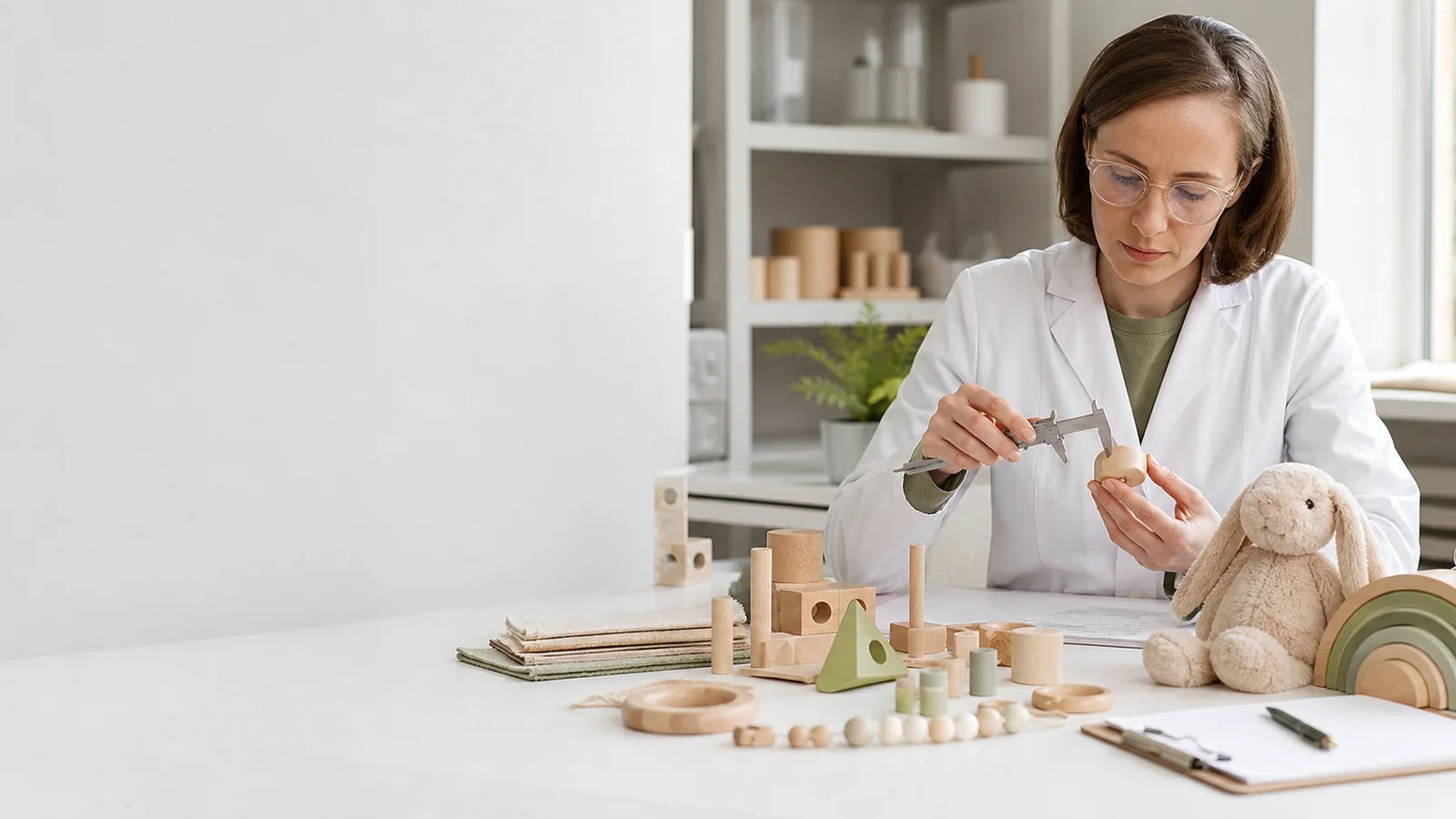
Children's Product Compliance Support
Build a product-specific plan for safety, chemical, age-grading, testing, labeling, and certificate considerations across selected markets.
General guidance only. Requirements depend on the product, intended use, claims, sales route, market, and current rules.
Who this guide is for
Teams responsible for Children's Products readiness
Start with the team closest to the current decision. Product, sourcing, quality, regulatory, and retail evidence work usually needs to stay connected.
Toy and children's product brands
Teams developing toys, nursery products, children's furniture, learning products, or accessories.
Product and quality teams
Teams making age grading, hazard, design, and test-unit decisions.
Sourcing teams
Teams collecting material, component, factory, and traceability evidence.
What we review
Questions to resolve before testing or documentation begins
The applicable combination should be confirmed against the product details and current official requirements.
Age and intended use
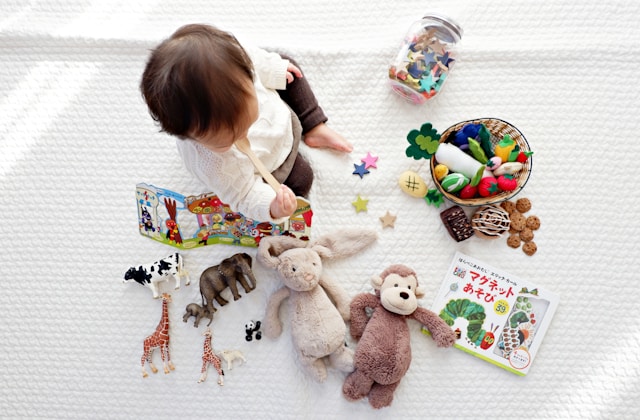
Age grading, foreseeable use, small parts, accessibility, and product category shape the requirements to investigate.
Mechanical and physical safety
Potential hazards can include sharp points, small parts, entrapment, projectiles, cords, magnets, and structural failure.
Chemical and flammability scope
Lead, phthalates, restricted substances, coatings, textiles, and flammability may require product-specific review.
Labels, tracking, and certificates
Warnings, tracking information, declarations, certificates, and technical files vary by market and product.
Testing and documentation
Connect testing, documentation, and supplier evidence
Reports, declarations, labels, instructions, and supplier records should all identify the product configuration being reviewed.
Final product testing
Tested units should represent the final materials, colors, components, construction, and age grade.
Report and certificate alignment
Reports, product identifiers, labels, and certificates should describe the same product configuration.
Multi-market planning
US, EU, UK, Canada, and other markets use different standards, documents, and responsible-party models.
What to prepareDocuments and product data worth collecting early
- Bill of materials, age grade, and intended-use statement
- Material and component declarations
- Factory and batch traceability information
- Existing reports, certificates, labels, and warnings
Common gaps we identify
Issues that can create avoidable rework
These are review questions, not assumptions about your product. Open the items that match your current stage.
Choosing an age grade after testing
Age grade affects hazards, test methods, warnings, and documentation.
Testing incomplete color or material variants
Different paints, plastics, textiles, or components may change the evidence needed.
Separating labels from the technical review
Warnings and traceability information should be planned with the product evidence.
What you receive
A practical roadmap for Children's Products compliance planning
ConforIQ supports decisions and project coordination. Final compliance responsibility and third-party decisions remain with the relevant business, laboratory, certification body, or authority.
- Step 01
Clarify the scope
Review the product, intended use, materials, claims, target markets, and current evidence.
- Step 02
Map requirements
Help identify the regulations, standards, testing questions, labels, and documents to investigate.
- Step 03
Organize evidence
Build a practical request list for suppliers, laboratories, internal owners, and market documents.
- Step 04
Plan next steps
Prioritize open questions, testing, documentation work, and dependencies in a compliance roadmap.
Common questions
Children's Products compliance questions
Do US and EU toy reports cover the same requirements?
Not automatically. Standards, legal frameworks, report formats, and documentation expectations differ and should be compared.
When should testing begin?
Plan testing after the design and materials are stable enough to represent production, while leaving time to address findings.
Can ConforIQ issue a product certificate?
ConforIQ provides guidance and coordination. Testing, certification, or approval decisions remain with the relevant laboratory, certification body, customer, or authority.
Recommended next step
Turn Children's Products product information into a focused review plan
Share the product, target markets, current reports, supplier documents, labels, and launch timing so the first review can focus on the right questions.