
Home Improvement Compliance Support
Map the safety, chemical, material, labeling, and evidence questions for tools, hardware, coatings, fixtures, and building-related consumer products.
General guidance only. Requirements depend on the product, intended use, claims, sales route, market, and current rules.
Who this guide is for
Teams responsible for Home Improvement readiness
Start with the team closest to the current decision. Product, sourcing, quality, regulatory, and retail evidence work usually needs to stay connected.
Brands and private labels
Teams launching tools, hardware, fixtures, paints, adhesives, sealants, or related products.
Import and sourcing teams
Teams validating materials, components, factories, and supplier declarations.
Retail compliance teams
Teams preparing product files for home-improvement retailers and marketplaces.
What we review
Questions to resolve before testing or documentation begins
The applicable combination should be confirmed against the product details and current official requirements.
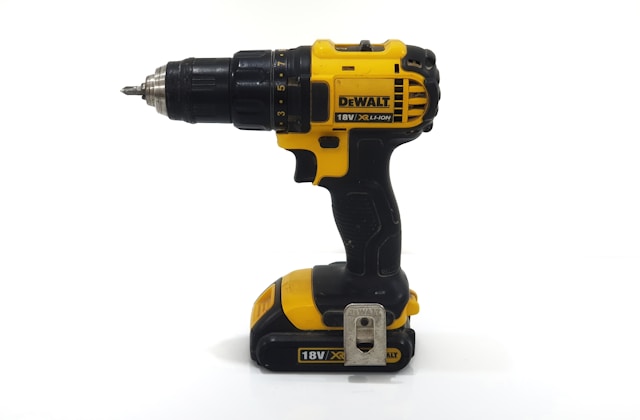
Mechanical and electrical safety
Product design, moving parts, load, heat, electrical components, batteries, or radio features can create different requirements.
Chemicals and VOCs
Coatings, adhesives, composite wood, metals, plastics, and treatments may trigger emissions or restricted-substance review.
Claims and instructions
Performance, durability, installation, environmental, and safety claims should be supported and used consistently.
Packaging and warnings
Instructions, warnings, traceability, packaging obligations, and retailer data may need market-specific preparation.
Testing and documentation
Connect testing, documentation, and supplier evidence
Reports, declarations, labels, instructions, and supplier records should all identify the product configuration being reviewed.
Product-specific testing
Testing may involve mechanical, electrical, EMC, chemical, emissions, or performance considerations depending on design.
Installation documentation
Instructions, diagrams, warnings, specifications, and intended-use limits should align with the reviewed product.
Component evidence
Motors, batteries, plugs, coatings, panels, fasteners, and other critical components should be traceable.
What to prepareDocuments and product data worth collecting early
- Bill of materials and critical-component list
- SDS, VOC, coating, adhesive, and material declarations
- Electrical or mechanical component reports
- Installation instructions, warnings, labels, and claims
Common gaps we identify
Issues that can create avoidable rework
These are review questions, not assumptions about your product. Open the items that match your current stage.
Treating the category as one rule set
A hand tool, adhesive, connected fixture, and composite-wood product can follow very different pathways.
Ignoring installation risk
Incorrect or incomplete instructions can create safety and retailer-review issues.
Using generic supplier certificates
Evidence should identify the relevant material, component, factory, and product version.
What you receive
A practical roadmap for Home Improvement compliance planning
ConforIQ supports decisions and project coordination. Final compliance responsibility and third-party decisions remain with the relevant business, laboratory, certification body, or authority.
- Step 01
Clarify the scope
Review the product, intended use, materials, claims, target markets, and current evidence.
- Step 02
Map requirements
Help identify the regulations, standards, testing questions, labels, and documents to investigate.
- Step 03
Organize evidence
Build a practical request list for suppliers, laboratories, internal owners, and market documents.
- Step 04
Plan next steps
Prioritize open questions, testing, documentation work, and dependencies in a compliance roadmap.
Common questions
Home Improvement compliance questions
Does every home-improvement product need laboratory testing?
No single answer applies. Testing depends on the product, materials, functions, claims, and target market.
Can component reports support the finished product?
They may support part of the evidence package, but the final product and its integration still need review.
What information helps with scoping?
Provide product specifications, installation method, materials, components, claims, labels, target markets, and existing evidence.
Recommended next step
Turn Home Improvement product information into a focused review plan
Share the product, target markets, current reports, supplier documents, labels, and launch timing so the first review can focus on the right questions.